
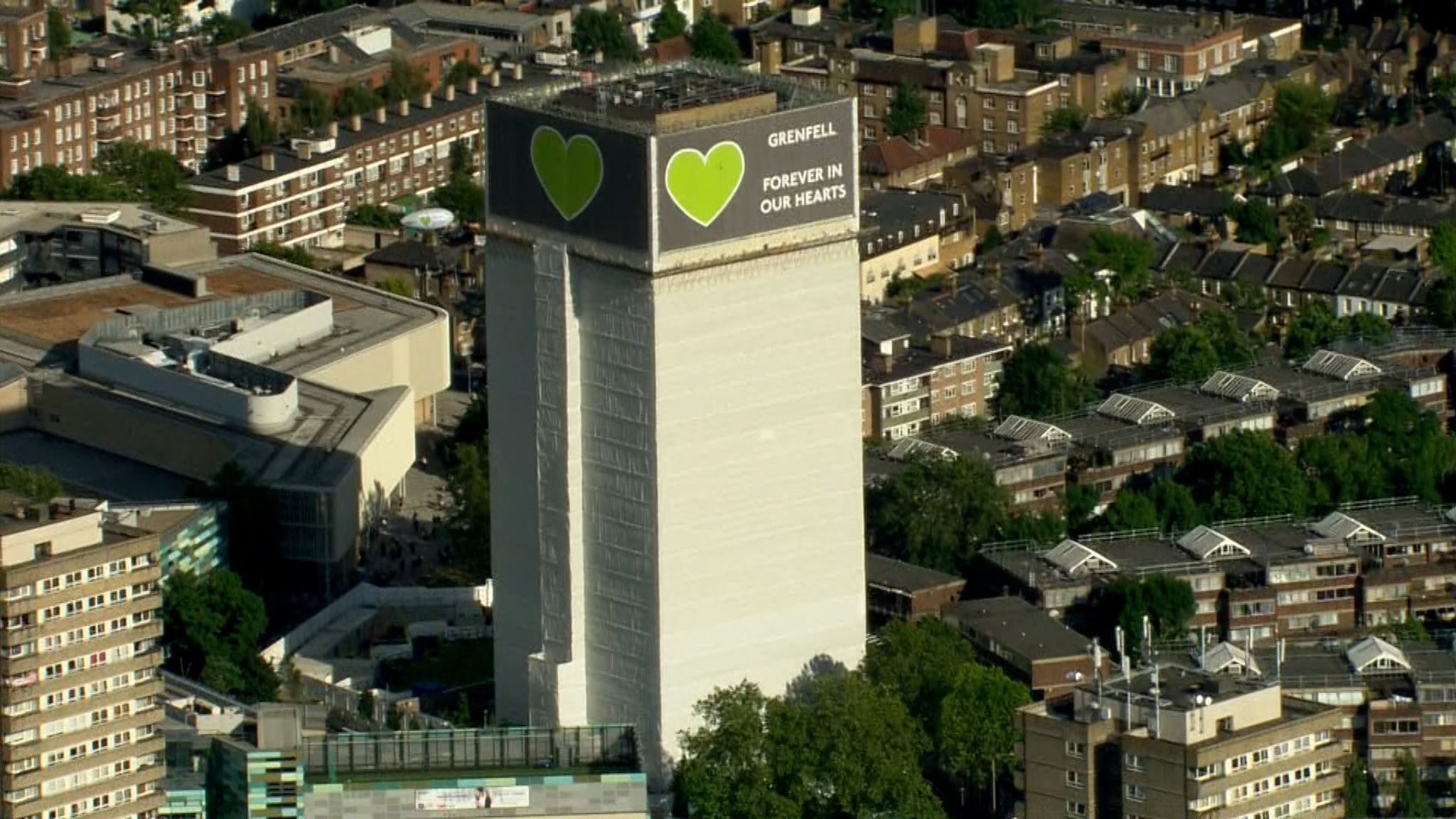
The Grenfell Tower fire is etched into the national consciousness—not just as a tragedy, but as a turning point. Those who lived through it, watched it unfold, or have followed the inquiries since, the facts are painfully familiar. What matters now is what we do with that knowledge.
Grenfell exposed deep flaws in how we design, manage, and regulate high-rise buildings. It revealed a systemic failure to prioritise resident safety—failures in materials, oversight, communication, and accountability. While the fire itself may have started with a single appliance, the conditions that allowed it to become a catastrophe were man-made and preventable.
A Wake-Up Call for the Built Environment
The use of combustible cladding, inadequate fire containment measures, and a lack of meaningful resident engagement were not unique to Grenfell. These issues exist in buildings across the UK and beyond. The tragedy forced a reckoning with outdated regulations, cost-cutting practices, and a culture that too often placed efficiency and budget above safety.
Key Health and Safety Failures
The Grenfell disaster exposed a series of systemic failures:
- Combustible Cladding: The cladding used did not meet fire safety standards. It acted as a fuel source, allowing the fire to climb the building’s exterior.
- Lack of Sprinklers: Grenfell Tower had no sprinkler system, which could have significantly slowed the fire’s spread.
- Inadequate Fire Doors: Many fire doors failed to meet the required 30-minute fire resistance standard.
- Poor Evacuation Planning: The “stay put” policy advised residents to remain in their flats, a strategy that proved fatal once the fire spread uncontrollably.
- Ignored Resident Concerns: Residents had raised fire safety concerns for years, but these were largely dismissed by the building’s management.
From Tragedy to Reform
In the years since, there have been significant steps toward reform. The Building Safety Act, the establishment of a new Building Safety Regulator, and the ongoing removal of dangerous cladding are all part of a broader effort to ensure such a disaster never happens again. But progress has been uneven, and many residents still live in uncertainty.
Regulatory and Policy Implications
In the aftermath, the UK government launched the Hackitt Review, which found the regulatory system “not fit for purpose.” Key recommendations included:
- A new regulatory framework for high-rise buildings.
- Clearer accountability for building safety.
- Mandatory safety case reviews for existing buildings.
- A national register of building materials.
What Must Change
To truly honour the lives lost and the communities affected, we must embed safety into every stage of a building’s life cycle:
- Design with fire resilience in mind, using non-combustible materials and passive fire protection.
- Ensure robust fire detection and suppression systems, including sprinklers and alarms.
- Maintain clear, tested evacuation plans that reflect the realities of each building and its residents.
- Listen to residents—their lived experience is a vital source of insight and early warning.
- Hold those in power accountable, from developers to regulators, for the safety of the homes they build and manage.
Conclusion
As we rebuild and reform, we must centre human life and dignity in every decision. Fire safety is not a technical detail; it is a moral imperative.