Sustainability and health & safety go hand in hand. At The Safety Department, we recognise that a sustainable future is about more than just reducing carbon footprints—it’s about creating safer, healthier spaces that protect people, optimise efficiency, and ensure longevity. Whether it’s selecting the right materials, designing for well-being, or integrating green technologies safely, we help businesses navigate sustainability without compromising safety.
BREEAM Certification Support
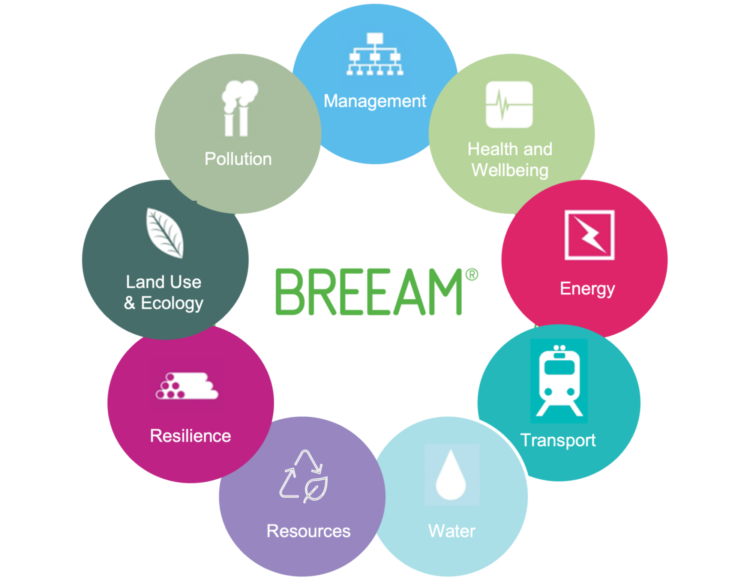
Overview of BREEAM Certification – Provide a clear explanation of what BREEAM is and its importance in sustainable building practices.
Benefits of Certification – Highlight advantages such as improved environmental performance, enhanced asset value, and compliance with sustainability regulations.
Assessment Criteria – Outline the key areas assessed, including energy efficiency, water usage, materials, waste management, and biodiversity.
Certification Process – Explain the steps involved, from pre-assessment to final certification, and how businesses can prepare.
Support Services – Detail available consultancy services, tools, and resources to help organisations achieve their desired BREEAM rating.
Circular Economy in Construction
• Designing for Deconstruction: Using modular and prefabricated components allows for easier disassembly and reuse, reducing waste. However, fire resistance and load-bearing assessments remain critical.
• On-site Waste Management & Recycling: Proper segregation and disposal of materials ensure compliance with environmental and safety regulations while reducing landfill waste.
Health & Safety in Retrofitting Existing Buildings
• Many landlords are improving energy efficiency and incorporating sustainability into existing buildings. Key considerations include: • Ensuring fire safety compliance when installing insulation or renewable energy systems. • Managing potential asbestos risks when modifying older structures. • Enhancing accessibility while incorporating sustainable design elements.
Sustainable Materials: Safety & Quality
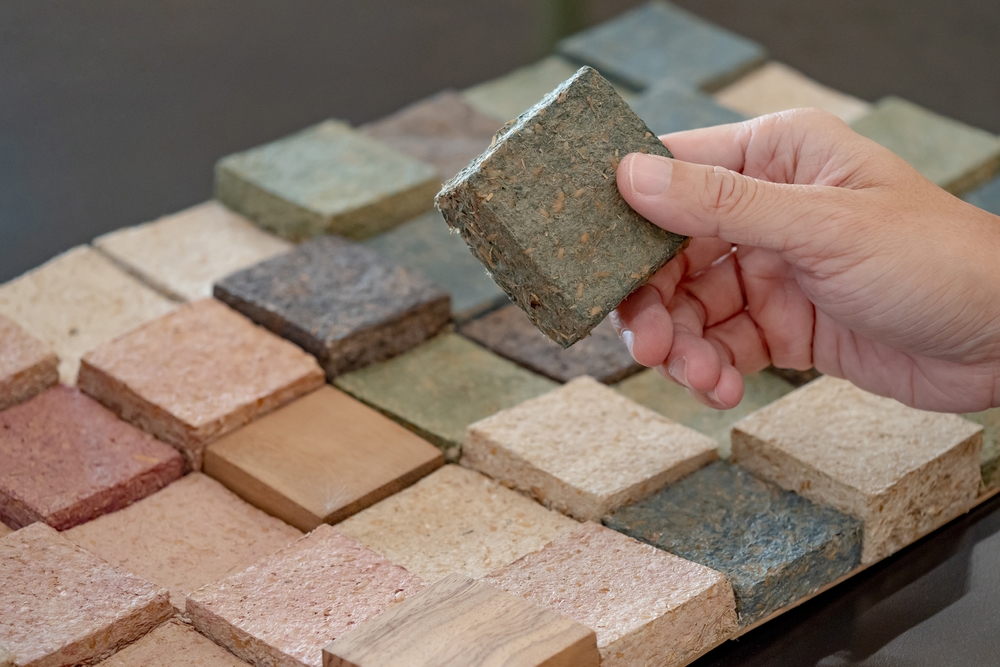
• Non-toxic and Low-VOC Materials: Many traditional construction materials contain volatile organic compounds (VOCs) that can impact air quality and worker health. Using low-VOC paints, adhesives, and finishes reduces exposure risks. • Recycled and Renewable Materials: Bamboo, reclaimed wood, and recycled steel reduce environmental impact while offering durability. However, proper risk assessments are needed to ensure they meet fire safety and structural integrity standards. • Concrete Alternatives: Limecrete and hempcrete are gaining traction for their sustainability benefits, but careful evaluation is needed to ensure they meet strength and safety requirements.
Biophilic Design & Well-Being
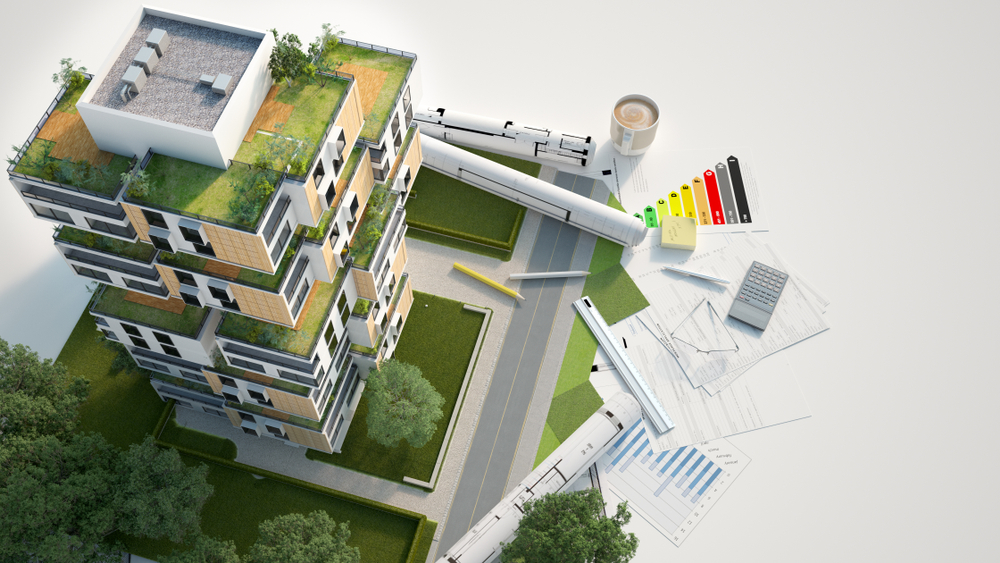
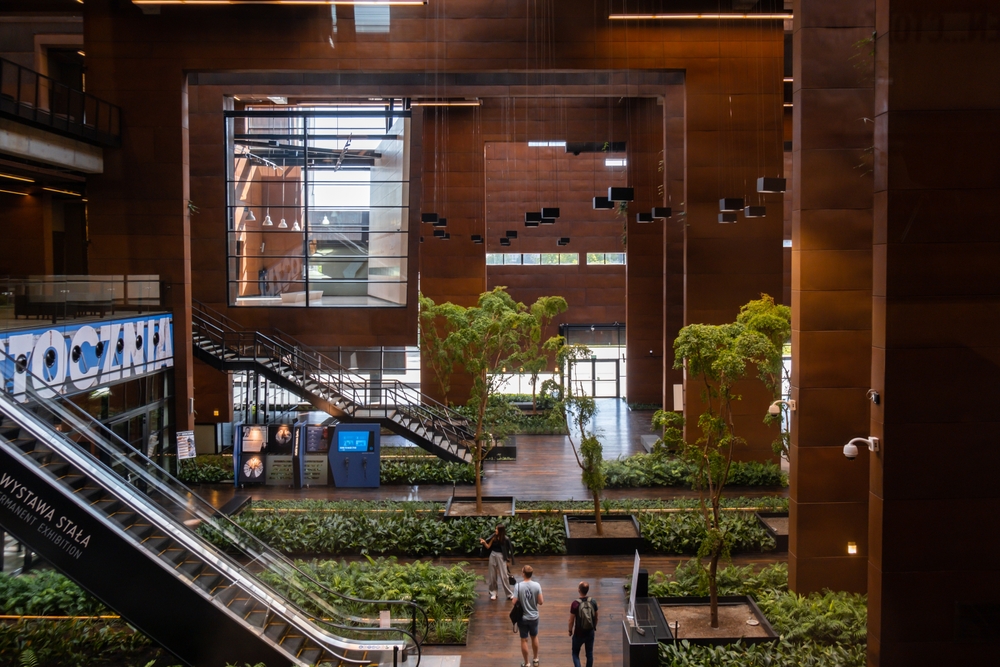
• Green Walls and Roofs: Living walls improve air quality and provide natural insulation but require proper structural assessments and maintenance plans to prevent risks like water damage or mold growth. • Natural Light & Ventilation: Buildings designed to maximise natural light and airflow not only reduce energy use but also enhance well-being and productivity. However, fire safety and ventilation system efficiency must be considered. • Outdoor Workspaces & Green Areas: Rooftop gardens and green break areas boost morale and reduce stress, but they must be designed with anti-slip surfaces, adequate drainage, and secure access points.
Energy Efficiency & Safety Considerations
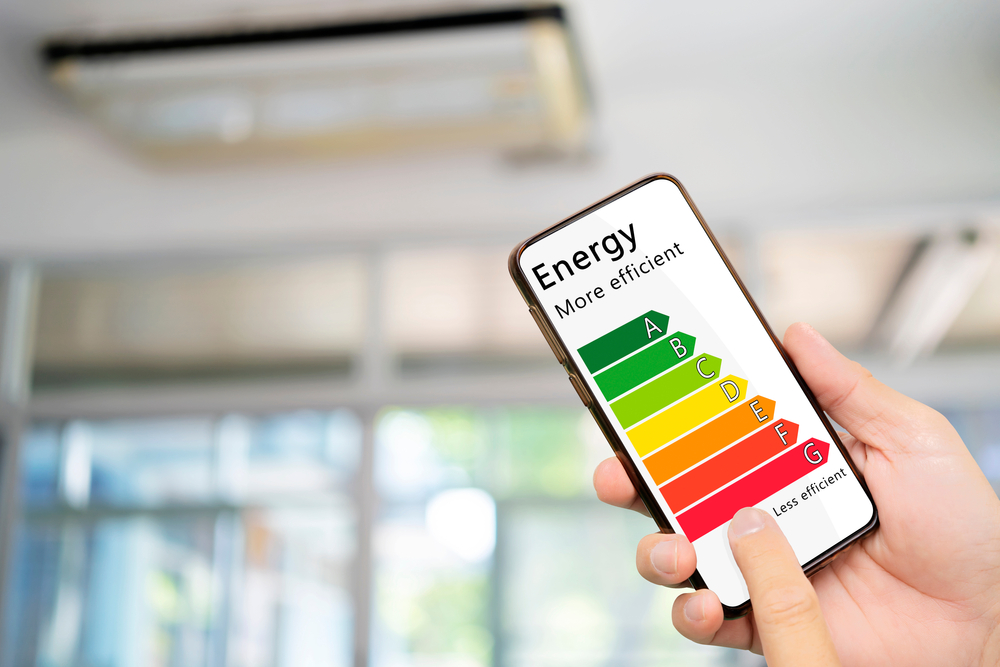
• Solar Panels & Renewable Energy: Integrating solar panels and wind energy systems into buildings supports sustainability but requires thorough risk assessments to prevent electrical hazards and ensure safe maintenance access.
• Smart Lighting & Automation: Motion-sensor lighting reduces energy use while improving safety in low-visibility areas.
Sustainability as a Business Advantage
For landlords and developers, sustainability is more than just a trend—it’s a strategic advantage. It enhances building longevity, attracts tenants, boosts PR, and ensures compliance with evolving regulations. By prioritising both sustainability and safety, businesses can create environments that support well-being while future-proofing their investments.
Subscribe today to download our brochure
Enter your name and email to download the brochure instantly